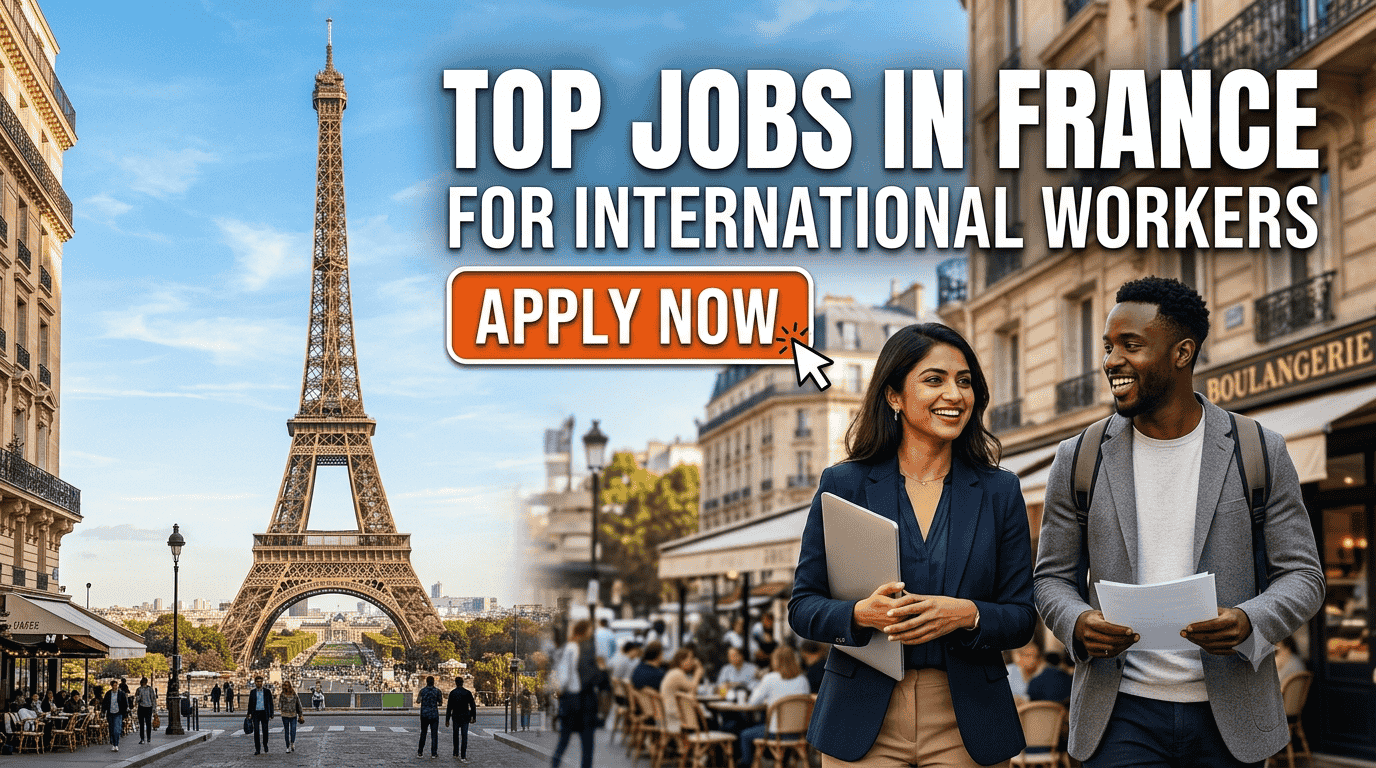
Top Jobs in France for International Workers – Apply Now
Introduction
France has long been admired for its rich culture, world-famous cuisine, historic landmarks, and exceptional quality of life. But beyond the Eiffel Tower and charming cafés lies another opportunity that attracts thousands of professionals every year—its thriving job market. As businesses continue to expand and labor shortages affect key industries, France is increasingly opening its doors to skilled international workers.
Whether you’re a software developer dreaming of working in Paris, a healthcare professional seeking career advancement, or someone looking for seasonal employment in agriculture or hospitality, France offers opportunities across a wide range of industries. Better yet, many employers are willing to sponsor work visas for qualified candidates.
If you’re ready to build an international career, this guide will walk you through the top jobs in France for international workers, expected salaries, visa options, and practical tips to help you land your dream job.
Why France Is a Great Destination for International Workers
France is one of Europe’s largest economies and home to globally recognized companies in technology, finance, healthcare, manufacturing, aerospace, luxury goods, and tourism. The country’s strategic location, modern infrastructure, and strong labor protections make it an attractive destination for foreign professionals.
Unlike many countries where work dominates everyday life, France places a strong emphasis on balancing professional success with personal well-being. Employees benefit from generous vacation allowances, healthcare coverage, and worker protections that contribute to a high quality of life.
For international workers, France offers the chance to gain valuable global experience while enjoying a vibrant lifestyle.
Benefits of Working in France
Competitive Salaries
France offers attractive salaries across many industries. Skilled professionals in sectors such as engineering, information technology, healthcare, and finance often earn salaries that provide a comfortable standard of living.
Excellent Work-Life Balance
One of France’s greatest advantages is its commitment to work-life balance. Employees generally enjoy a 35-hour workweek, generous annual leave, paid public holidays, and family-friendly employment policies.
Healthcare and Employee Benefits
Employees typically have access to one of the world’s most respected healthcare systems. Additional benefits may include retirement contributions, unemployment protection, maternity and paternity leave, meal vouchers, transportation assistance, and professional development opportunities.
Most In-Demand Jobs in France
France currently faces labor shortages across multiple industries, creating opportunities for international applicants.
Healthcare Professionals
Hospitals and private clinics continue to seek doctors, nurses, caregivers, physiotherapists, pharmacists, and medical technicians. Qualified healthcare workers remain among the most sought-after professionals.
IT and Software Development
The digital economy continues to grow rapidly. Companies regularly recruit:
- Software Developers
- Full-Stack Engineers
- Cloud Engineers
- Cybersecurity Specialists
- Data Scientists
- AI Engineers
- DevOps Engineers
- Mobile App Developers
Professionals with programming skills often receive competitive salary packages.
Engineering Jobs
France’s strong industrial base creates demand for:
- Mechanical Engineers
- Civil Engineers
- Electrical Engineers
- Aerospace Engineers
- Industrial Engineers
- Renewable Energy Specialists
Engineering remains one of the country’s highest-paying career paths.
Hospitality and Tourism
Millions of tourists visit France every year, creating consistent demand for:
- Hotel Receptionists
- Housekeepers
- Restaurant Managers
- Chefs
- Waiters and Waitresses
- Tour Guides
- Customer Service Representatives
Seasonal positions are especially common during peak travel periods.
Teaching English
Native and fluent English speakers can find rewarding opportunities teaching English in schools, language centers, and private institutions.
Construction and Skilled Trades
Construction companies actively recruit:
- Electricians
- Plumbers
- Welders
- Carpenters
- Heavy Equipment Operators
- Bricklayers
- Painters
Many employers provide long-term contracts for experienced tradespeople.
Logistics and Warehouse Jobs
With the rapid expansion of e-commerce, logistics companies frequently hire:
- Warehouse Associates
- Forklift Operators
- Delivery Drivers
- Inventory Controllers
- Supply Chain Coordinators
Agriculture and Seasonal Work
France’s agricultural sector depends heavily on seasonal workers for:
- Fruit Picking
- Vineyard Harvesting
- Vegetable Farming
- Greenhouse Operations
- Farm Equipment Assistance
These jobs are particularly popular among newcomers looking for entry-level employment.
Highest-Paying Careers in France
Professionals working in specialized industries often enjoy excellent earning potential.
Some of the highest-paying careers include:
- Surgeons
- Medical Specialists
- Airline Pilots
- AI Engineers
- Data Scientists
- Investment Bankers
- Corporate Lawyers
- Senior Software Architects
- Engineering Managers
- Executive Directors
As experience grows, so do salary and leadership opportunities.
Skills Employers Look For
Language Skills
Although many multinational companies operate in English, learning French significantly improves your employment prospects and helps you integrate into everyday life.
Professional Qualifications
Employers value recognized degrees, industry certifications, vocational training, and relevant work experience. Depending on the profession, foreign credentials may need to be evaluated or recognized in France.
Soft Skills
Technical expertise alone isn’t enough. Employers also look for:
- Communication
- Teamwork
- Problem-solving
- Adaptability
- Time management
- Leadership
- Customer service
Strong interpersonal skills often make candidates stand out.
Work Visa Options for International Workers
Before working legally in France, most non-EU nationals require an appropriate work authorization.
Talent Passport Visa
The Talent Passport is designed for highly qualified professionals, researchers, entrepreneurs, and certain skilled workers. It offers a streamlined pathway for eligible applicants and can provide greater flexibility for long-term employment.
Employer-Sponsored Work Visa
Many international workers enter France through employer-sponsored visas. In these cases, a French employer typically supports the application by demonstrating the need to hire from outside the local labor market, where applicable.
Always review the specific eligibility requirements that apply to your nationality and profession before applying.
How to Apply for Jobs in France
Landing a job starts with presenting yourself professionally.
Build a Professional CV
Your CV should include:
- Personal information
- Career summary
- Work experience
- Educational background
- Technical skills
- Languages spoken
- Certifications
- References (if requested)
Keep the layout clean and tailored to each role.
Write a Winning Cover Letter
A personalized cover letter can help you stand out. Explain why you’re interested in the role, how your skills match the employer’s needs, and what value you can bring to the organization.
Prepare for Job Interviews
Many employers begin with online interviews before inviting candidates for final discussions.
Virtual Interview Tips
- Test your internet connection in advance.
- Dress professionally.
- Research the company thoroughly.
- Practice answering common interview questions.
- Prepare thoughtful questions about the role and workplace.
Confidence and preparation leave a lasting impression.
Average Salaries Across Industries
The table below provides approximate annual salary ranges. Actual compensation varies by location, experience, qualifications, and employer.
| Industry | Estimated Annual Salary (€) |
|---|---|
| Healthcare | 40,000–100,000+ |
| Information Technology | 40,000–80,000+ |
| Engineering | 40,000–75,000+ |
| Hospitality | 24,000–40,000 |
| Construction | 28,000–50,000 |
| Logistics | 25,000–45,000 |
| Agriculture | 22,000–35,000 |
| Education | 30,000–55,000 |
Best Cities for Employment in France
Different regions specialize in different industries.
- Paris – Finance, technology, consulting, luxury brands, and multinational headquarters.
- Lyon – Pharmaceuticals, biotechnology, manufacturing, and engineering.
- Toulouse – Aerospace, aviation, and advanced engineering.
- Marseille – Shipping, logistics, tourism, and healthcare.
- Lille – Retail, logistics, and digital services.
- Bordeaux – Wine production, tourism, and technology startups.
- Nice – Hospitality, tourism, and international business.
Choosing the right city can significantly influence your career opportunities.
Tips to Increase Your Hiring Chances
Competition exists, but preparation makes a difference.
- Learn basic conversational French.
- Tailor your CV for every application.
- Highlight international experience.
- Earn relevant certifications.
- Build a professional online profile.
- Network with professionals in your industry.
- Prepare thoroughly for interviews.
- Stay updated on labor market trends.
Employers appreciate candidates who demonstrate initiative and adaptability.
Common Mistakes to Avoid
Avoid these common pitfalls during your job search:
- Sending the same CV to every employer.
- Ignoring the importance of a cover letter.
- Applying without researching the company.
- Overlooking language requirements.
- Exaggerating skills or qualifications.
- Failing to prepare for interviews.
- Neglecting to verify visa requirements.
A thoughtful application process can improve both your interview rate and your chances of receiving an offer.
Career Growth Opportunities in France
Starting with an entry-level or mid-level position can open doors to long-term success. Many companies invest in employee training, mentorship, and leadership development.
With experience, professionals may move into management, specialize in high-demand fields, or transfer to international offices within global organizations. For those who value continuous learning, France offers a dynamic environment where careers can evolve over time.
Conclusion
France continues to attract international workers thanks to its strong economy, excellent labor protections, and diverse employment opportunities. From healthcare and software development to engineering, hospitality, logistics, and agriculture, there are career paths for professionals with a wide range of skills and experience.
Success begins with careful preparation. Build a compelling CV, tailor each application, strengthen your language skills, and understand the work visa process before applying. With determination and the right qualifications, you can take advantage of exciting opportunities and build a rewarding career in one of Europe’s most influential economies.
Frequently Asked Questions (FAQs)
1. Can international workers get jobs in France without speaking fluent French?
Yes. Some multinational companies use English as their primary working language, particularly in technology and research. However, learning French can significantly improve your employment prospects and everyday life.
2. Which jobs are currently most in demand in France?
Healthcare, information technology, engineering, construction, logistics, hospitality, education, and seasonal agriculture are among the sectors that regularly recruit international workers.
3. Do French employers sponsor work visas?
Some employers sponsor eligible international candidates when they cannot fill a role locally. Visa eligibility depends on the position, employer, and the applicant’s nationality and qualifications.
4. What is the average salary for international workers in France?
Salaries vary by industry and experience. Entry-level roles may start around €22,000–€30,000 per year, while experienced professionals in fields such as IT, engineering, and healthcare can earn €40,000 or substantially more.
5. How can I improve my chances of getting hired in France?
Tailor your CV and cover letter to each position, develop relevant technical skills, gain industry certifications where appropriate, improve your French language proficiency, and prepare thoroughly for interviews. A well-planned application strategy can make a meaningful difference.